
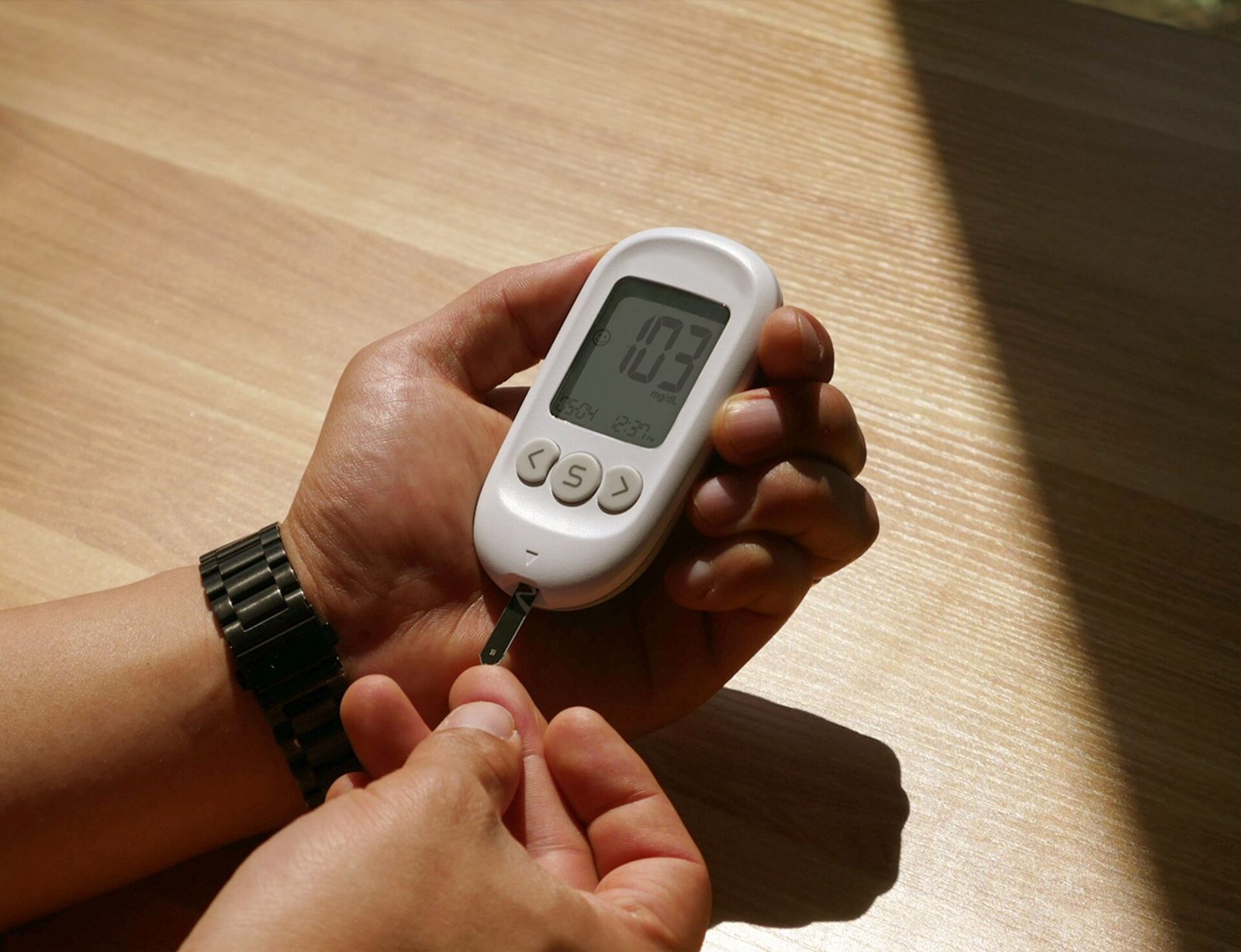
November is American Diabetes Month—a good time to look beyond the numbers and consider what living well with diabetes really means as we age.
For many years, diabetes care has been reduced to a familiar set of measurements:
What is your blood sugar?
What is your A1C?
How many carbohydrates did you eat?
Those numbers matter. But after age 65, good diabetes care is about much more than achieving a particular laboratory result.
It is about protecting your heart, kidneys, vision, brain and feet. It is about preventing falls, avoiding dangerously low blood sugar and making sure your treatment plan still fits your life.
Most importantly, it is about preserving your independence and quality of life.
The goal is not a “perfect” number
There is no single blood sugar or A1C target that is right for every older adult.
The American Diabetes Association recommends that diabetes goals for older adults be individualized based on factors such as overall health, other medical conditions, cognitive and functional abilities, life expectancy, medication burden and risk of low blood sugar. diabetesjournals.org
A healthy, active 68-year-old may have different treatment goals than an 88-year-old managing heart disease, frailty and memory changes. A target that is appropriate at one stage of life may become too difficult—or even unsafe—at another.
This does not mean diabetes becomes unimportant as we age. It means the conversation becomes more thoughtful.
The question is no longer simply:
“How low can we get the blood sugar?”
It becomes:
“What treatment plan will protect this person’s health without creating unnecessary risk or diminishing the life they want to live?”
Low blood sugar may be the hidden danger
People living with diabetes often spend years worrying about blood sugar being too high. But for older adults, blood sugar that drops too low—called hypoglycemia—can be especially dangerous.
Low blood sugar may cause:
- Shaking or sweating
- Dizziness or weakness
- Confusion or unusual behavior
- Blurred vision
- Difficulty walking or speaking
- Fainting or seizures
In an older adult, those symptoms may be mistaken for dementia, intoxication, a stroke or simply “having a bad day.” Low blood sugar can also contribute to falls, injuries, emergency room visits and loss of confidence.
The CDC defines low blood sugar as a level below 70 mg/dL, but each person should follow the treatment and monitoring instructions provided by their health care team. Diabetes
If episodes of low blood sugar are happening, the answer is not necessarily to eat more sweets or stop taking medication. The treatment plan may need to be reviewed.
Ask:
- Are any medications increasing the risk of low blood sugar?
- Is the medication schedule too complicated?
- Are meals being missed?
- Has appetite or weight changed?
- Is the person able to recognize and treat a low?
- Would a continuous glucose monitor be helpful?
- Should the target range be reconsidered?
Never change insulin or other diabetes medications without consulting the prescribing clinician.
Your heart deserves as much attention as your glucose
Diabetes affects blood vessels throughout the body. That makes heart health a central part of diabetes care—not a separate issue.
Blood pressure, cholesterol, smoking history, physical activity and kidney function can be just as important as daily glucose readings. People with diabetes are more likely to develop heart disease or experience a stroke, and high blood pressure can also worsen kidney and eye disease. cdc.gov
A good diabetes visit should include more than a review of the glucose log. Ask about your diabetes “ABCs”:
- A — A1C: What is the right target for me now?
- B — Blood pressure: Is mine within a safe range?
- C — Cholesterol: What is my cardiovascular risk, and how should it be managed?
- S — Smoking: If I smoke, what support is available to help me stop?
The goal is not merely to manage diabetes. It is to protect the whole person living with it.
Protect your kidneys before symptoms appear
Kidney damage often develops quietly. A person can feel well even while kidney function is declining.
Regular blood and urine tests can help detect changes before obvious symptoms develop. Kidney health also affects medication decisions because some medications may need to be changed or adjusted as kidney function changes.
Ask your clinician:
- When were my kidneys last checked?
- Do I need both a blood test and a urine test?
- Are my medications appropriate for my current kidney function?
- Are there medications that could help protect both my kidneys and heart?
This is an important example of why diabetes care cannot be managed by watching blood sugar alone.
Do not wait for your vision to change
Diabetes can damage the small blood vessels in the eyes. Because early changes may not cause noticeable symptoms, regular dilated eye examinations remain important even when vision seems fine.
Vision also affects the ability to manage diabetes safely. Can the person read medication labels? See the markings on an insulin pen? Check a glucose meter? Inspect the feet?
The American Diabetes Association includes A1C, cholesterol, kidney testing and eye examinations among the important health checks for people living with diabetes. diabetes.org
If vision has changed, the treatment plan may need to change with it. Larger labels, magnifiers, talking glucose meters, prefilled medication organizers or help from a trusted person may make diabetes management safer without unnecessarily taking control away.
Your feet can reveal what your blood sugar does not
Diabetes can reduce sensation and circulation in the feet. A blister, cut or pressure point may go unnoticed and become difficult to heal.
Foot care does not need to be complicated:
- Look at the tops, soles and spaces between the toes regularly.
- Check for redness, cracks, swelling, sores or changes in temperature.
- Wear well-fitting shoes.
- Avoid walking barefoot.
- Report wounds that are not healing.
- Ask for a foot examination during routine diabetes visits.
If bending, vision loss or limited mobility makes self-inspection difficult, ask for help. This is not a loss of independence. It is a strategy for preserving it.
Diabetes affects the brain—and the brain affects diabetes
Managing diabetes requires memory, organization and judgment. A person may need to remember medication times, interpret glucose readings, plan meals and recognize symptoms of high or low blood sugar.
That can become more difficult when memory or thinking changes.
At the same time, both high and low blood sugar can affect the brain. The CDC notes that low blood sugar can cause immediate problems such as dizziness, confusion and difficulty walking or talking, while long-term high blood sugar can damage blood vessels that supply the brain. cdc.gov
Watch for changes such as:
- Repeatedly missing or duplicating doses
- Confusion about insulin amounts
- Difficulty operating a glucose meter
- Unexplained high or low readings
- Forgetting meals
- Increasing difficulty shopping or preparing food
- Trouble following a previously familiar routine
These changes should prompt a respectful health conversation—not an immediate assumption that the person can no longer manage anything.
The solution may be a simpler medication schedule, clearer written instructions, automatic reminders, prepared meals or limited assistance with one part of the routine.
Support should match the need. It should not automatically replace the person’s voice.
Food is not a moral test
Diabetes carries an unfortunate burden of judgment.
People are praised for being “good” when they eat one way and criticized for being “bad” when they eat another. Family gatherings can become public evaluations of what is on one person’s plate.
But food is more than carbohydrate content. It represents culture, pleasure, connection, memory and choice.
Nutrition matters, but shame is not a treatment plan.
Older adults may also face challenges that make eating more complicated:
- Reduced appetite
- Changes in taste or smell
- Dental problems
- Difficulty shopping or cooking
- Limited income
- Digestive problems
- Grief or loneliness
- Unintentional weight loss
- Physical difficulty opening containers or using kitchen equipment
Before criticizing a food choice, ask what is behind it.
The issue may not be a lack of knowledge. It may be fatigue, cost, isolation or the fact that the prescribed eating plan is too restrictive to be sustainable.
Emotional health belongs in diabetes care
Diabetes management can be relentless. There is always another decision to make, number to check, prescription to refill or appointment to schedule.
Over time, people can experience diabetes distress—the exhaustion, frustration and discouragement that come from managing a demanding chronic condition every day.
Depression, grief and social isolation can also make diabetes harder to manage. Someone who appears “noncompliant” may actually feel overwhelmed, discouraged or unable to afford the recommended care.
Instead of asking, “Why aren’t you taking better care of yourself?” try asking:
“What part of managing your diabetes feels hardest right now?”
That question opens a door. Judgment usually closes it.
Review the plan—not just the person’s performance
When diabetes becomes difficult to manage, families often focus on what the older adult is doing wrong.
But sometimes the problem is the plan.
A regimen may have become too complex. A medication that was once appropriate may now create too much risk. Arthritis may make it difficult to handle a syringe or testing device. Vision or memory changes may interfere with dosing. The cost of medication may lead someone to quietly ration it.
The ADA’s current standards emphasize person-specific care for older adults, including attention to functional ability, cognition, other health conditions, treatment burden and hypoglycemia risk. diabetesjournals.org
A diabetes review should consider:
- Whether the treatment goals still fit the person’s health and priorities
- Whether each medication is still necessary and safe
- Whether the routine can be simplified
- Whether cost is affecting adherence
- Whether the person can use the equipment safely
- Whether family or professional support is needed
- Whether the plan allows room for enjoyment and ordinary life
A more complicated plan is not always a better plan.
The Aging Unbound approach
Managing diabetes after 65 is not a contest to produce the lowest number.
It is an ongoing process of balancing prevention, safety, independence and quality of life.
Blood sugar matters—but so do strong legs, clear vision, healthy kidneys, a protected heart, a nourished body and a life that still contains pleasure.
If you or someone you love lives with diabetes, consider asking one question at the next appointment:
“Does this diabetes plan still fit my health, my abilities and the way I want to live?”
That conversation may be more valuable than any single number.
Resources
- American Diabetes Association (ADA) site covers information on food, wellness and various tools.
- National Institute on Aging (NIA) has senior-friendly diabetes materials.
- National Council on Aging (NCOA) includes an extensive guide for diabetes for older adults.
- NIH’s National Institute of Diabetes and Digestive and Kidney Diseases (NIDDK) site emphasizes managing your “Diabetes ABC’s” and includes tips, financial help for diabetes care and other resources.
Aging Unbound reflection
Is your diabetes treatment supporting your life—or has managing diabetes begun to take over your life?
This article is educational and does not replace individualized medical advice. Medication, insulin and glucose-target changes should be made with a qualified health care professional.