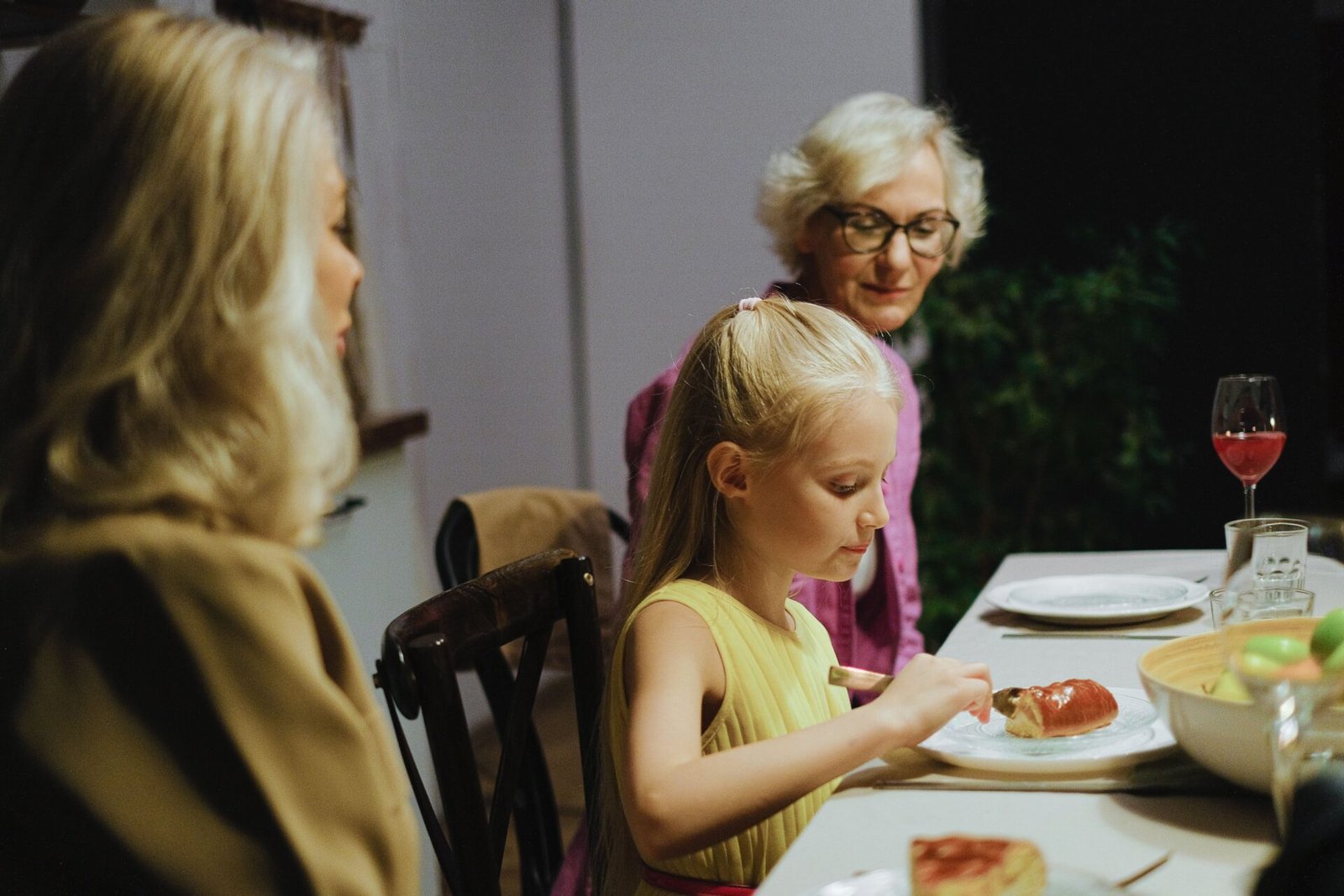
Thanksgiving is a time for passing things down. We pass down recipes, traditions and stories—the way Grandma made the dressing, the song Grandpa always sang, the family saying that still makes everyone laugh.
We also pass down something less visible: a health history.
November 26 is National Family Health History Day, observed on Thanksgiving because families are often gathered across generations. It creates a natural opportunity to preserve information that may help family members make more informed health decisions.
A family health history is not simply a list of diseases. It can reveal patterns: several relatives with diabetes, heart attacks occurring at unusually young ages, multiple family members with the same type of cancer or a history of broken hips and fragile bones.
For older adults, this knowledge does double duty. It guides your own care today. It also becomes a gift to your children and grandchildren who will one day need the same information.
What my family genogram revealed
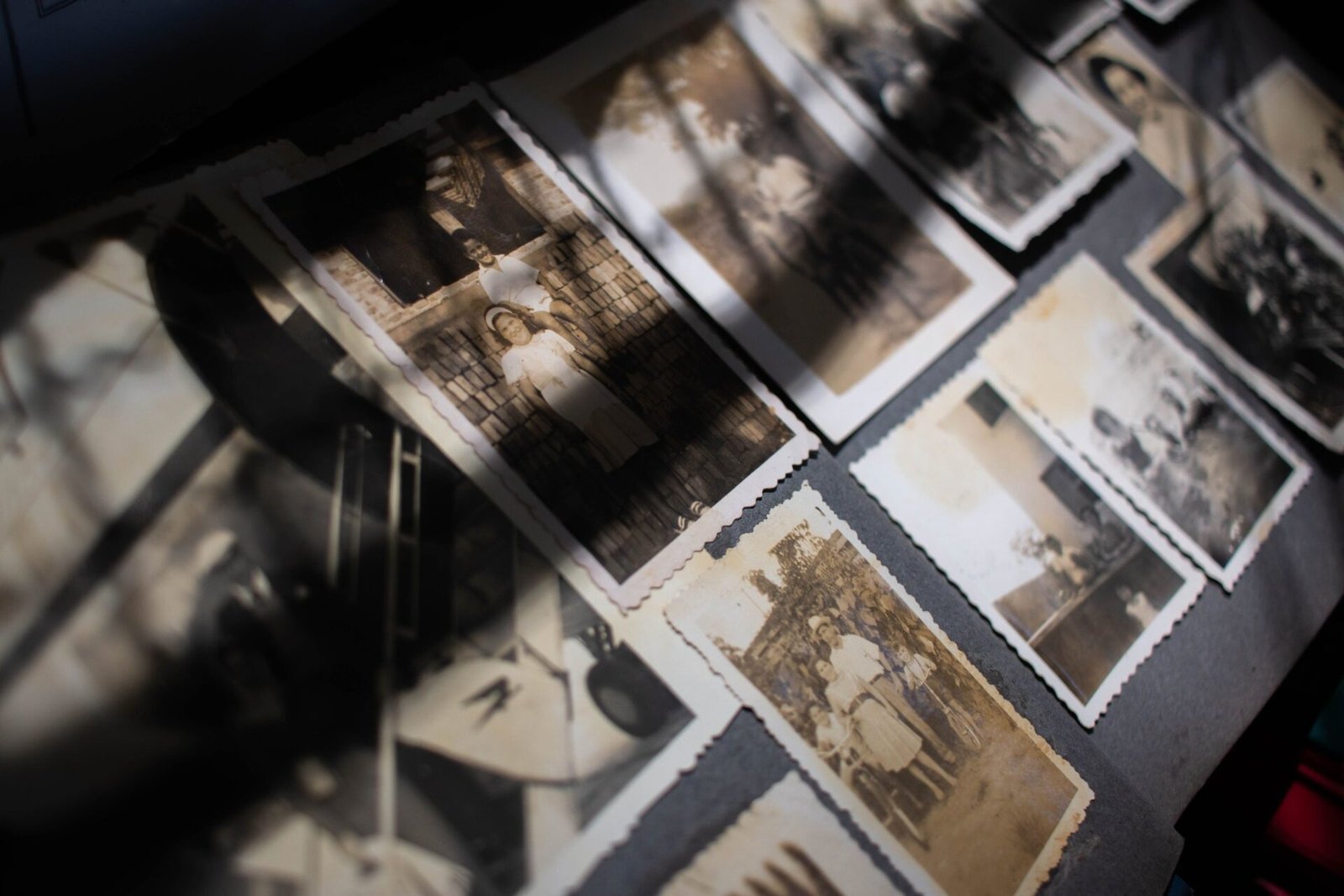
Years ago, I had an assignment in graduate school to create a health genogram of my family. A genogram is similar to a family tree, but it includes much more than names and relationships.
My assignment required me to document at least three generations of family members, including their ages, health diagnoses—such as diabetes, cancer and heart disease—their relational status, such as married, divorced, widowed or estranged, and their age at death, if deceased.
The challenge? Most of the people I needed to include were already deceased. My sister was the only person who had clues to many of their health histories through our Smith family Bible. Before official birth, marriage and death records were consistently maintained or easily accessible, families often recorded this information in the family Bible. After much searching and discussion, my sister and I were able to piece together details until the genogram was complete.
Although I already knew most of the individual health stories, I was stunned by what became visible when I saw everything mapped across three generations. Three health issues appeared repeatedly in my family: heart disease, cancer and mental health conditions.
The information was not meant to predict my future. But it gave me a clearer understanding of my potential risks and reinforced the importance of completing recommended screenings and examinations to preserve my health as much as possible.
That is the value of a family health history. Information scattered among relatives, old documents and family stories can seem disconnected. When it is gathered in one place, patterns may emerge that no single story reveals.
The goal is not to diagnose one another over Thanksgiving dinner. It is to gather what your family knows, record it and share relevant information with a health care professional.
Your family history is more than your genes
Families share genes, but they may also share eating patterns, activity levels, environments, occupations, cultural traditions and health behaviors. All of these can influence health.
Knowing that a condition runs in the family does not mean you will inevitably develop it. It means you have information that may help you and your health care professional make better decisions about prevention, screening and treatment.
Family history can influence questions such as:
- Should screening begin earlier?
- Does a symptom deserve closer evaluation?
- Are there risk factors that should be monitored more carefully?
- Would genetic counseling be appropriate?
- Are there preventive steps that could reduce risk?
The CDC recommends gathering information about major medical conditions, the age at which each condition was diagnosed and the age and cause of death for relatives who have died. Even an incomplete history can help a health care professional decide which screenings may be appropriate and when they should begin.
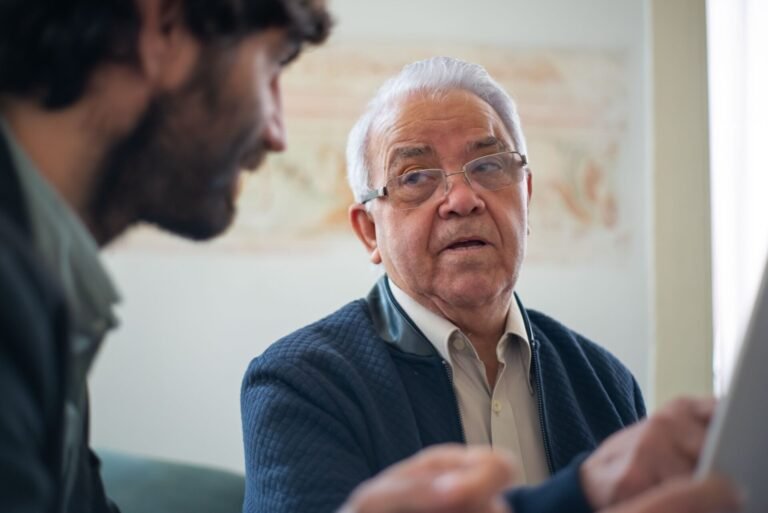
Older adults may be the keepers of the family story
Older family members often hold information that no medical record contains. They may remember that an uncle died suddenly in his forties, although no one called it heart disease at the time. They may know that several women in the family had “female cancer,” even if the exact diagnosis was never discussed. They may recall which relatives developed memory problems, broke a hip or had an unusual reaction to a medication.
That knowledge is part of a family’s legacy. Sharing it is not dwelling on illness. It is giving younger generations information they can use to protect their health.
At the same time, not everyone knows—or wants to discuss—the details of their medical history. Some health conditions carry shame, grief or family conflict. Others may have been deliberately kept private.
The conversation should be an invitation, not an interrogation.
You might begin by saying, “Since today is National Family Health History Day, I’d like to record some of our family health information while we’re together. It could help all of us—and the younger generations—ask better questions about our health. Would you be comfortable helping?”
What information should you collect?
Begin with close biological relatives on both sides of the family, such as parents, children, siblings, grandparents, uncles and aunts.
For each relative, record what you know:
- Major medical conditions
- Approximate age when each condition began
- Type of cancer, when known
- Cause and age of death
- Significant medication allergies or serious reactions
- Ancestry, if known
- Relevant genetic testing results that the person has chosen to share
You do not need every answer before the information becomes useful. Begin with what you know and update it over time.
The Aging Unbound family-health checklist
Use this simple checklist to guide the conversation. For every “yes,” record which relative was affected, the specific diagnosis and the approximate age at diagnosis.
- Heart and blood-vessel health. A pattern of early heart attacks or extremely high cholesterol may be especially important. Family history can help a clinician decide how closely blood pressure, cholesterol and other cardiovascular risks should be monitored.
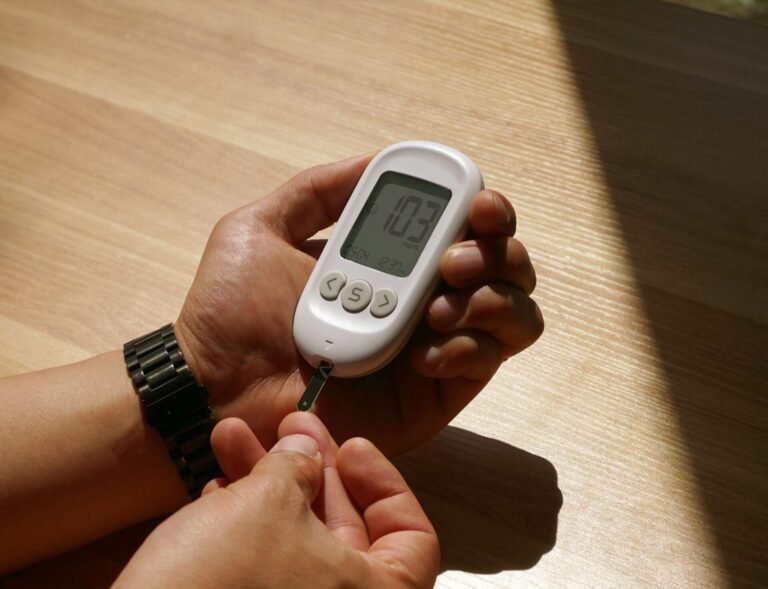
- Diabetes. If a parent or sibling has type 2 diabetes, ask your health care professional whether earlier or more frequent screening would be appropriate.
- Cancer. Record the specific cancer whenever possible. “Stomach problems” and “women’s cancer” do not provide enough detail to identify a meaningful pattern. Several relatives with the same or related cancers, cancer occurring at a young age or one person developing multiple cancers may be reasons to ask about genetic counseling. A family pattern does not prove that a hereditary cancer syndrome is present; it signals that a professional review may be worthwhile.
- Memory and dementia. Having a parent or sibling with Alzheimer’s may increase risk, but it does not mean that another family member will necessarily develop it. Genetics, health, environment and lifestyle may all contribute. If you do not know the exact diagnosis, record what the family observed and the approximate age when the changes began.
- Osteoporosis and bone health. Osteoporosis is often missed until a fracture occurs. A family history—particularly a parental hip fracture—is important information to share when discussing bone-density screening and fall prevention.
- Medication allergies and reactions. Record things like:
- The medication’s name
- What happened
- How soon the reaction occurred
- Whether emergency treatment or hospitalization was needed
- Which relative experienced it
A relative’s reaction does not automatically mean you will react the same way. However, patterns of severe or unusual medication responses may be worth discussing with a physician or pharmacist. Family medication history can sometimes help clinicians consider whether pharmacogenomic testing—the study of how genes affect medication response—could be useful.
Do not list a relative’s reaction as your own allergy or stop a prescribed medication because of family history. Share the information with your clinician and let it inform the conversation.
Look for patterns, not isolated events
One diagnosis in one older relative may or may not suggest an inherited risk. Patterns are often more informative. Pay particular attention when:
- Several close relatives have the same condition.
- A disease appears in multiple generations.
- A condition developed much earlier than expected.
- One person had more than one related cancer.
- Several relatives died suddenly or from similar causes.
- A rare disorder appears in the family.
- Multiple relatives experienced a similar serious medication reaction.
The National Human Genome Research Institute recommends looking for diseases that occur at young ages, affect more than one close relative or appear in meaningful combinations, such as breast and ovarian cancer.
These patterns are not diagnoses. They are clues to bring to a qualified health professional.
Keep the conversation respectful

Not everyone at the table will have the same relationship to family health history.
A relative who was adopted, conceived through donor assistance, estranged from biological family or affected by incomplete records may know little about their history. Others may not want to disclose a diagnosis in a group setting.
Make room for those realities.
- Ask permission before beginning.
- Allow people to share privately.
- Do not pressure anyone to disclose.
- Avoid blaming people for illnesses or health behaviors.
- Do not speculate about diagnoses.
- Let family members decide how their personal information will be shared.
- Acknowledge that “unknown” is an honest and acceptable answer.
If biological family history is unavailable, a person can still work with a health care professional using personal health information, screening recommendations, lifestyle factors and any available records.
Turn conversation into action
A family history has value only when it is recorded, updated and used.
Choose one person to serve as the family historian. That person can organize the information and provide copies to family members who want them.
The Surgeon General’s My Family Health Portrait is a free tool designed to help families collect and organize health information. The record can be printed and shared with family members and health care professionals.
After Thanksgiving:
- Review the information for patterns or missing details.
- Give family members an opportunity to correct their information.
- Store the record in a secure location.
- Share relevant information with your health care professional.
- Ask whether the history changes your screening or prevention plan.
- Update the record when new diagnoses or information emerge.
Pass down knowledge with the recipes
The stories families tell at Thanksgiving help explain where we came from.
Our health stories can help us decide where we go next.
This year, pass the pie. Pass the family recipes. Pass the stories that make everyone laugh.
But also pass along the information that may help someone schedule a screening earlier, recognize a symptom sooner, ask a better question or prevent a health crisis.
Knowing your family health history does not determine your future. It gives you another tool for shaping it.
Resources
- US Surgeon General tool, My Family Health Portrait
- Kognito, Let’s Talk About Your Family Cancer Risk
- Does It Run In the Family? A Genetic Alliance Family Health History Tool
- National Human Genome Research Institute, Family Health History for Patients & Families. Includes resources, a families SHARE risk algorithm and disease worksheets.
Aging Unbound Reflection
What health information do you know that the next generation may not—and how can you preserve it for them?
Editorial Note: This article is for educational purposes and does not replace individualized medical advice, diagnosis, genetic counseling or treatment.